Shattered Illusions: Owen’s Suicide Note Exposes the Dark Truth Behind Nate’s Death
Emmerdale has delivered a devastating revelation, one that’s left families reeling and viewers stunned. After weeks of speculation, tension, and spiraling suspicion, the mystery surrounding Nate Robinson’s tragic disappearance has taken a haunting turn—with a suicide note from an unexpected figure: Owen Michaels. What seemed like a tangled web of motives, family grudges, and possible betrayals has now crystallized into something more horrifying—something far more random, far more senseless.
The confession came just as suspicion had begun tightening around familiar faces. Moira and Cain were caught in the emotional crossfire, struggling with grief, guilt, and memories of Caleb’s past betrayals. As theories swirled—about jealousy, buried secrets, and old flames—the truth was lurking where no one expected: a man no one even knew.
Owen Michaels, a name barely known in the village, took his own life. But before doing so, he penned a note that would send shockwaves through Emmerdale. In his final words, Owen admitted to killing Nate in a fit of rage during a heated roadside altercation. The two men had clashed while driving—an unplanned, emotionally charged confrontation that escalated into violence. Owen panicked, hid the body in the lake, and took Nate’s phone, using it to cover his tracks. In a cruel twist, he even attempted to frame Nate’s loved ones.
For Cain and Moira, the pain is compounded by the randomness of it all. They spent weeks combing through Nate’s past, grasping at any possible motive someone close might have had. The idea that Nate died at the hands of a stranger—a man with no connection to him—feels incomprehensible. “Is it better or worse,” Cain asks, “that Nate got murdered for no reason at all?”
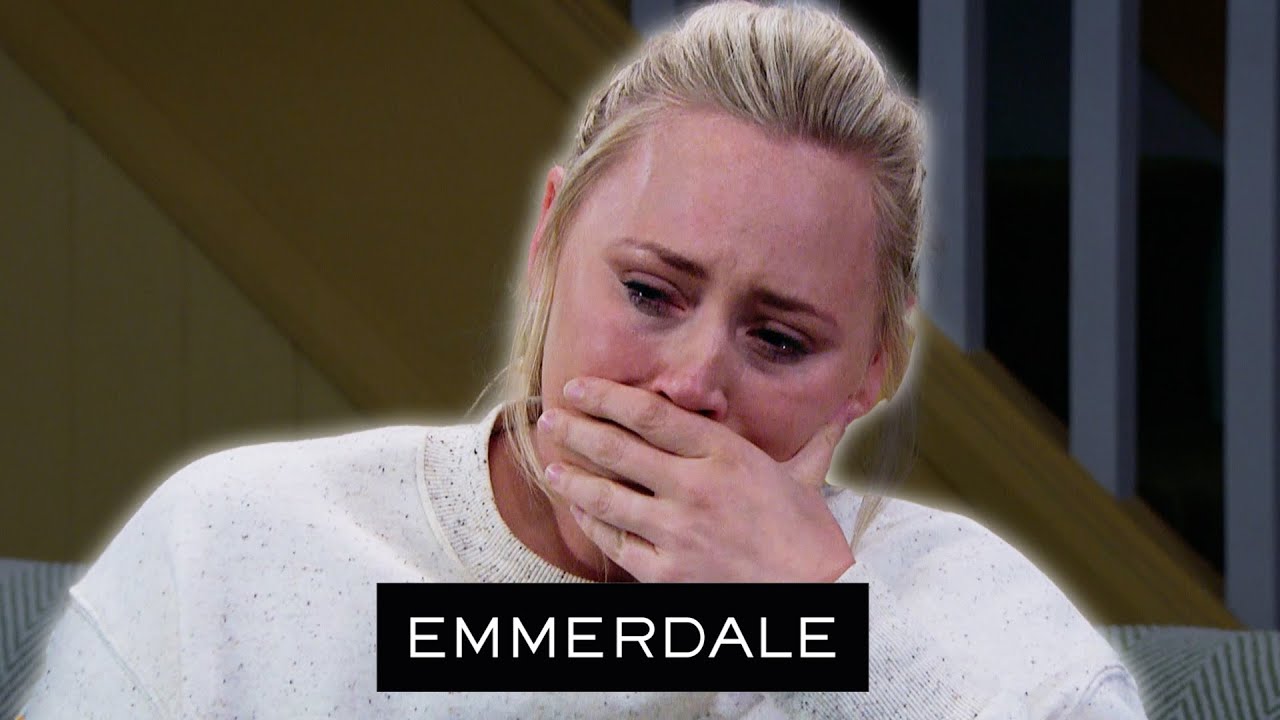
Tracy, once a suspect, can finally breathe—but not without scars. Her life was turned upside down by relentless questioning and the community’s doubts. Now, the confession clears her name, but the relief is bittersweet. Nate is still gone, and the man responsible is beyond punishment.
Matty’s heartache is evident too. As the community tries to process the news, the emotional toll on Nate’s friends and family deepens. “We didn’t know what he was doing every minute of every day,” someone remarks. It’s a sobering reminder that even those closest to us can harbor private struggles—or unknowingly walk into fate’s cruel trap.
The police have corroborated Owen’s story. Nate’s burnt-out car, hidden in undergrowth near Kilbeck Woods, was found following the suicide note’s instructions. The gruesome confirmation only deepens the community’s grief—and guilt. Many now wonder: could something have been done sooner? Were the signs missed?
Dr. Liam Cavanagh, visibly shaken, had visited Owen the day before—unaware of the tragedy to come. “I shouldn’t have given up so quickly yesterday,” he confesses, consumed by regret. His experience adds yet another painful layer, emphasizing how the mental health crisis, isolation, and guilt can combine into a fatal storm.
And yet, amid the shock, Owen’s name barely resonates. As Cain chillingly puts it, “Just a name. Owen Michaels. Some nobody who killed my son.” The anger is raw, but it speaks to something deeper—the unbearable reality that Nate’s life was stolen not out of hatred or revenge, but sheer misfortune.
What haunts the village now isn’t just the crime itself—it’s the randomness. The idea that a simple detour, a moment’s decision, could change everything. That Nate’s life wasn’t lost in a revenge plot or a long-simmering feud, but in a chance encounter with a man unraveling.
What drove Owen to the edge? The note suggests remorse—he couldn’t live with the guilt. He’d returned to drugs, spiraled into despair. He saw no way out but death. But to Nate’s loved ones, remorse offers no justice. Only emptiness.
For Moira, the note is confirmation of something she’d suspected all along—this tragedy was not rooted in family. Caleb’s past betrayal, while unforgivable, was not linked. And yet, in the aftermath, old wounds have been reopened, trust has eroded, and hearts have been broken in the wake of assumptions and accusations.
Emmerdale fans will no doubt be left pondering what this means for the wider community. How will Cain cope with the knowledge that his son’s death was so meaningless? Will he channel his pain into rage—or retreat further into silence and grief? How will Tracy move forward now that the dark cloud of suspicion has lifted, but her future has been irrevocably altered?
And what of Owen’s family—if he had one? As questions swirl about who this man really was, his final act casts a long shadow over the village. He may be gone, but the scars he’s left behind will take a long time to heal.
As Emmerdale navigates this deeply emotional storyline, the show proves once again why it holds such a powerful grip on its audience. Through layered storytelling, complex characters, and gut-wrenching twists, it reminds us that life—and death—can hinge on the most random, heartbreaking moments.
In the weeks to come, the community will search for meaning amid the tragedy. But some wounds, like Nate’s absence, may never truly heal. The revelation has brought closure—but not peace. And in Emmerdale, closure is often just the beginning of another storm.