Tensions in Emmerdale have reached a boiling point, and in the eye of the storm stands Moira Dingle—arrested, betrayed, and reeling from a devastating fallout that threatens to fracture the village beyond repair. What began as a seemingly civil business dispute has spiraled into violence, emotional manipulation, and a desperate struggle for loyalty. As secrets unravel and alliances shift, no one is safe from the consequences.
The latest chaos erupts with Moira being arrested on suspicion of assault—a moment that shocks her family and sets in motion a chain of moral reckoning. While she insists she acted under pressure, the reality is much messier: Lydia has been injured, tensions with Joe Tate are boiling over, and a traumatized Kyle has become the collateral damage of a battle that should never have escalated this far. As Moira is read her rights and led away, her loved ones are left grappling with what to believe—and who to protect.
Joe Tate’s role in the escalating drama is impossible to ignore. Though he presents himself as regretful and conciliatory, visiting Lydia with apologies and soft-spoken reassurances, there’s an unmistakable edge beneath his charm. He swears he had no hand in the threatening behavior toward Kyle, distancing himself from the darker side of the feud. But Joe’s decision to report Moira for the assault suggests otherwise—and it forces Lydia into a corner, placing her loyalty to Moira and the Dingles at odds with the truth she’s being pressured to suppress.
Lydia, ever the moral compass of the village, becomes the unwilling pawn in a deeply personal war. She’s hurt—physically and emotionally—and facing intense pressure from all sides. Kane Dingle demands she lie to the police to protect Moira, brushing off her injury as something she can excuse away. “Say you fell. Say you walked into a door.” His words carry the chilling implication: this isn’t a request. It’s a demand wrapped in loyalty, fear, and the unrelenting code of the Dingle family. But Lydia’s wavering conscience—and Kane’s menacing insistence—hint at a looming collapse.
The complexity deepens as Mary voices her own fury. She’s the latest casualty in the Dingle-Tate crossfire, emotionally drained and weary of being forced to pick sides. Her confrontation with Joe crackles with intensity as she challenges the idea that his comments were harmless. “It wasn’t civilized. It was war,” she says, cutting through his attempts to sanitize the damage. Moira may have acted out of desperation, but that desperation didn’t appear in a vacuum—it was built from weeks of pressure, manipulation, and fear for her child.
Sam Dingle, caught between fierce family loyalty and uncomfortable truths, is yet another soul torn in two. Watching him wrestle with Kane’s aggression and Joe’s manipulations is heartbreaking, particularly as he realizes Lydia has been emotionally cornered. He’s no fool—he sees the damage. And when Kane accuses him of disloyalty, Sam doesn’t back down. “I’ve already picked a side,” he says, “and it ain’t yours.” With that, a crack appears in the Dingle wall of solidarity—one that could soon shatter everything.
The emotional stakes only heighten when the police begin to pursue Lydia for a statement. The weight of the village’s future suddenly sits squarely on her shoulders. Her words—truthful or not—could mean prison time for Moira, or freedom. They could cement alliances or burn bridges forever. Kane’s intimidation doesn’t help, nor does Joe’s sudden retreat from his complaint, which feels less like remorse and more like damage control. Lydia’s silence becomes a symbol of the impossible position she’s been put in—damned if she speaks, and equally damned if she doesn’t.
Moira’s release from custody offers no relief. The complaint is dropped, but not without leaving emotional carnage in its wake. When she apologizes to Lydia, the pain in her voice is raw, even desperate. But Lydia, with bruises still fresh, isn’t ready to forgive. Her reply—”Might need some time”—is as much a shield as it is a warning. Forgiveness, if it comes, will not be easy.
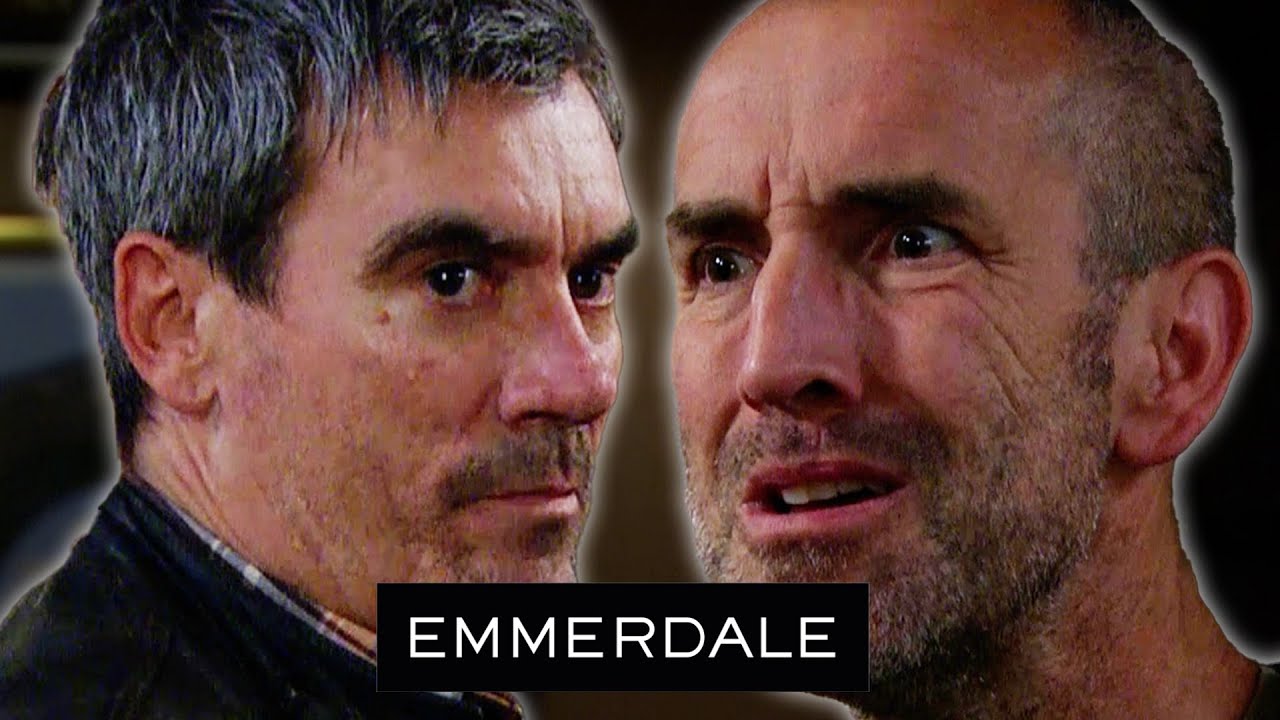
This isn’t just about an arrest—it’s about how far people are willing to go for family, for power, and for revenge. Moira, once a pillar of strength, now finds herself questioned and vulnerable. Joe, who continues to play both sides, has shown his hand, and it’s left many wondering if he truly deserves the benefit of the doubt. Lydia, caught in the crossfire, might be the key to either restoring peace—or watching it all burn down.
Meanwhile, Sam and Kane’s fiery showdown underscores a much larger theme emerging in Emmerdale: loyalty versus truth. As the Dingles struggle to protect one another, their code of silence is starting to fracture under the pressure of real-world consequences. Sam’s decision to back Lydia—and reject Kane’s bullying—could mark a turning point. It’s a moment where doing the right thing and doing the family thing are no longer one and the same.
For fans of Emmerdale, these developments represent some of the most emotionally charged storytelling the show has delivered in recent memory. The moral ambiguity, the layered character motivations, and the sheer unpredictability of what comes next keep viewers riveted. As the dust settles—for now—the question lingers: What is the true cost of loyalty, and how far is too far when protecting the ones you love?
One thing is certain: the battle lines in Emmerdale have been redrawn, and the village may never be the same again.